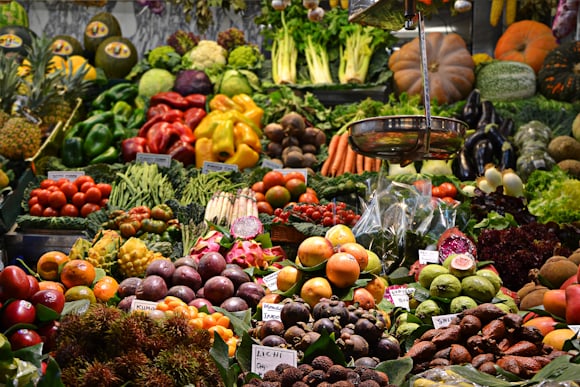
Building a Functional Kitchen
Having the right staples on hand reduces the temptation to rely on convenience foods and makes it easier to assemble balanced meals quickly. The items listed below are widely available across Australian supermarkets and keep well in the pantry, fridge or freezer.
This is a reference list — not a shopping list. Choose items that suit your dietary preferences, budget and cooking habits.
Dry Pantry
| Category | Staples | Storage Life |
|---|---|---|
| Whole grains | Brown rice, rolled oats, quinoa, freekeh, wholemeal pasta | 6–12 months (sealed) |
| Legumes (dried/tinned) | Chickpeas, lentils, black beans, cannellini beans | 1–2 years (tinned); 12 months (dried) |
| Nuts & seeds | Almonds, walnuts, chia seeds, pumpkin seeds (pepitas) | 3–6 months (pantry); longer if refrigerated |
| Oils & vinegars | Extra-virgin olive oil, sesame oil, apple cider vinegar | 6–12 months (cool, dark place) |
| Tinned fish | Tuna in spring water, sardines in olive oil, salmon | 2–5 years |
| Spices & herbs | Cumin, turmeric, smoked paprika, oregano, garlic powder | 1–3 years (potency declines) |
| Sauces | Reduced-salt soy sauce, tahini, tinned tomatoes, tomato passata | 12–24 months (unopened) |
Fridge Essentials
| Category | Staples | Typical Fridge Life |
|---|---|---|
| Protein | Eggs, plain Greek yoghurt, firm tofu, fresh chicken or fish | Eggs: 4–5 weeks; Meat/fish: 1–3 days |
| Vegetables | Leafy greens, carrots, capsicum, broccoli, zucchini | 3–7 days (varies) |
| Fruit | Lemons, limes, seasonal berries, apples | 5–14 days |
| Dairy alternatives | Unsweetened almond or oat milk | 7–10 days (opened) |
| Condiments | Mustard, natural peanut butter, miso paste, fresh ginger | Weeks to months (check labels) |
Freezer Stock
The freezer extends the usability of perishable items and enables batch-cooking strategies. Items stored at -18 °C or below maintain nutritional quality for extended periods.
- Frozen vegetables — Peas, spinach, edamame, corn, mixed stir-fry vegetables. Flash-frozen at peak ripeness; nutritionally comparable to fresh in most cases.
- Frozen berries — Blueberries, strawberries, mixed berries for smoothies, oats or yoghurt bowls.
- Portioned proteins — Individually wrapped chicken breasts, fish fillets or lean mince. Thaw in the refrigerator overnight before use.
- Batch-cooked meals — Soups, curries and grain-based bowls freeze well in portioned containers for 2–3 months.
- Bread — Wholemeal bread slices can be toasted directly from frozen.
Reducing Food Waste
The Australian Government estimates that households discard approximately 2.5 million tonnes of food each year. Practical steps to reduce waste include:
- Planning meals for the week before shopping to buy only what you need.
- Storing produce correctly — leafy greens in a container with a damp cloth; herbs upright in water in the fridge.
- Using the "first in, first out" principle — move older items to the front of the fridge or pantry.
- Repurposing leftovers: yesterday's roasted vegetables become today's grain bowl topping or soup base.
- Understanding date labels — "best before" relates to quality; "use by" relates to safety. Items past their "best before" date are often still safe to consume if stored properly.
Budget-friendly tip: Tinned legumes, frozen vegetables and seasonal produce are among the most affordable nutrient-dense foods available. Building meals around these staples can support both nutritional quality and household budgets.
Note: This page provides general pantry guidance. It does not account for individual allergies, intolerances or medical dietary requirements. Always check packaging for allergen information. For personalised advice, consult a qualified dietitian or healthcare professional.